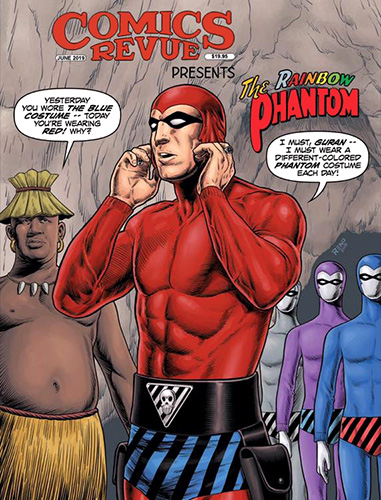
Behind the familiar names
Other hands in The Phantom, 1936–1999 — and the stories that make me wonder how much of the work is hidden behind the familiar credits.
When something feels different
Reading through Lee Falk’s years on The Phantom, I occasionally encounter a story, a passage of dialogue or a sequence of panels that feels different from its surroundings. The natural question is whether someone else had a hand in the work.
After many years with these strips, I think that is a reasonable question. It does not mean that every unusual scene must have another author. But neither should a familiar signature make us assume that every part of the work came from the same person.
On the drawing side, collaboration is well established. On the writing side, the picture is less complete.
More than one hand behind the artwork
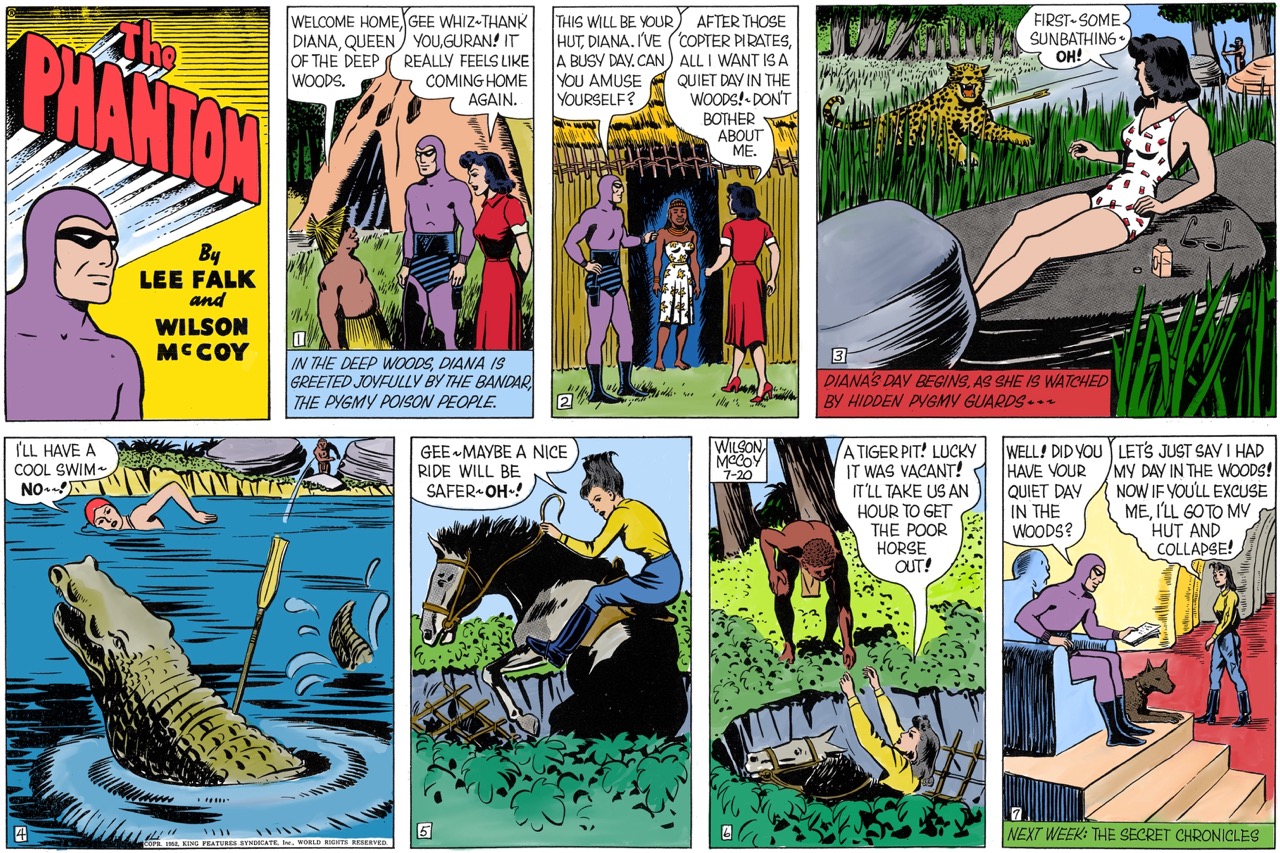
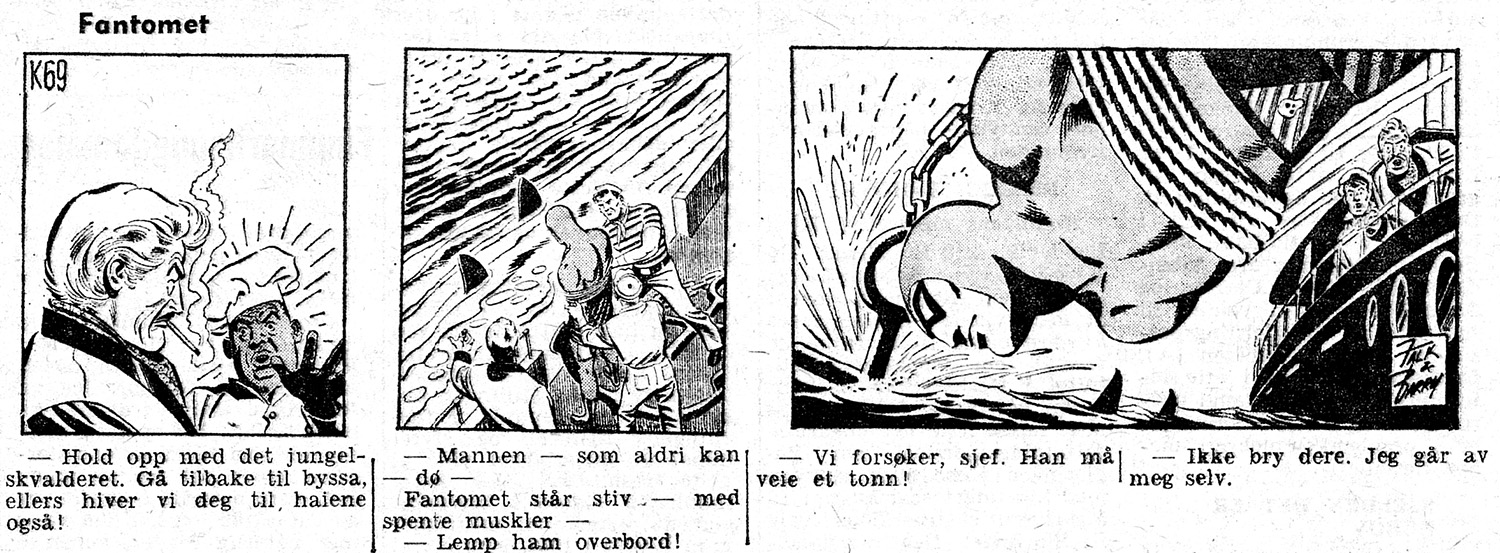
George Olesen’s contribution extended over decades. He mainly pencilled the Sunday stories from 1962 to 1984, and both the daily and Sunday strips from 1984 to 1994. Much of this work appeared during the period readers associate with Sy Barry.
Joe Giella also worked on The Phantom for seventeen years, tightening layouts, developing figures and backgrounds, and inking. Don Heck and Frank Springer were among the other artists whose layouts contributed to the finished strip.
These were substantial creative contributions. Layout, expression and the placement of figures determine how a scene is read. Yet the finished artwork was deliberately brought into a consistent style. Another artist’s involvement could therefore remain largely invisible to the reader.
Barry himself described adding actions and emotional detail beyond Falk’s instructions while preserving the dialogue. Drawing was also storytelling: an unfamiliar moment need not mean an unfamiliar scriptwriter.
The question of other writers
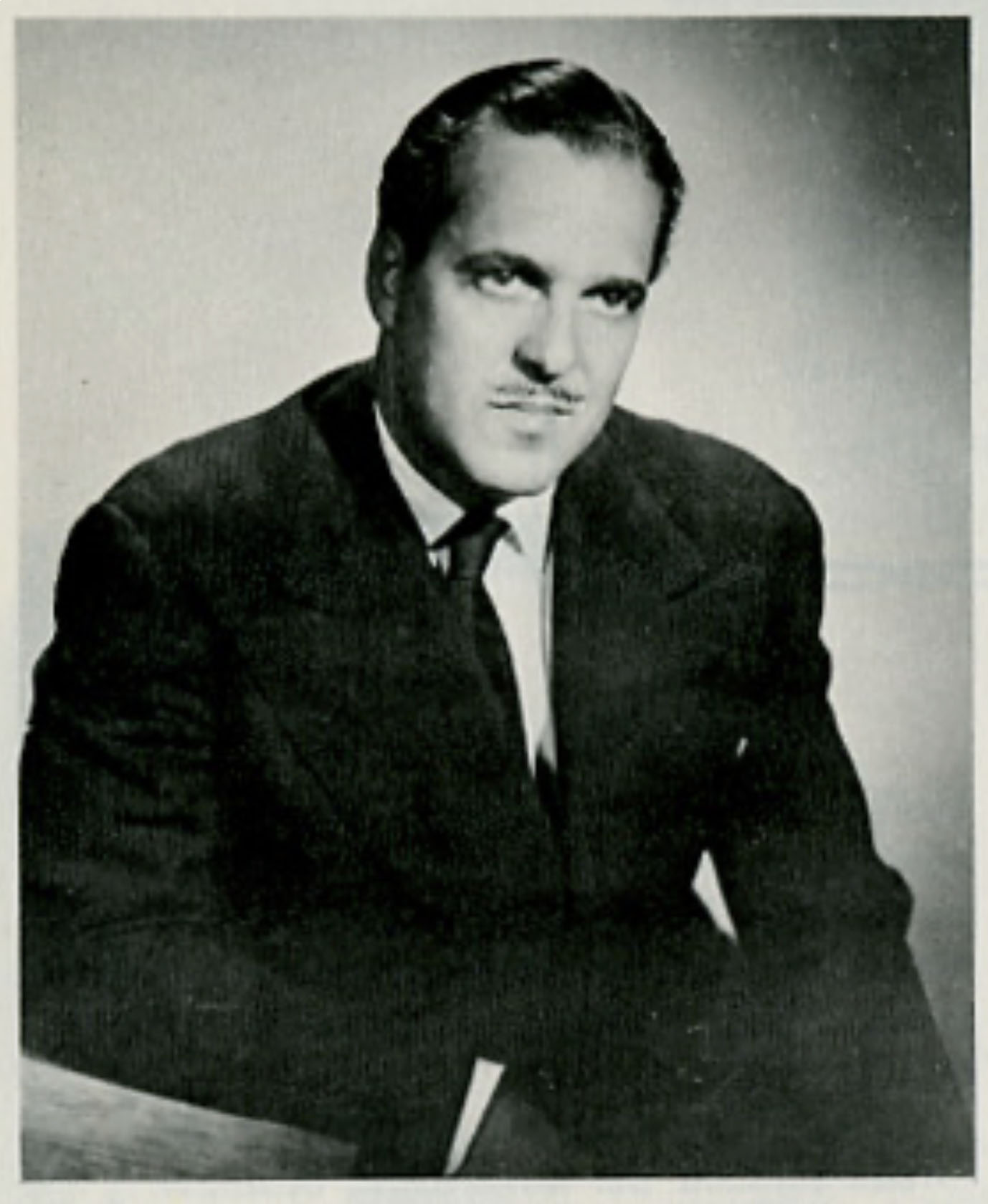
Alfred Bester is a relevant name. Both his own recollections and those of Ron Goulart connect him with ghostwriting for Falk. The exact extent of that work, and its allocation to individual newspaper stories, are much less clear.
That leaves room for questions about particular stories. It does not give us a dependable list of stories written by Bester, nor a reason to put his name against every passage that seems unlike Falk.
An idea, an outline, a complete script and a few revised lines are different kinds of contribution. We should not assume that all assistance took the same form.
Why tell the childhood story twice?
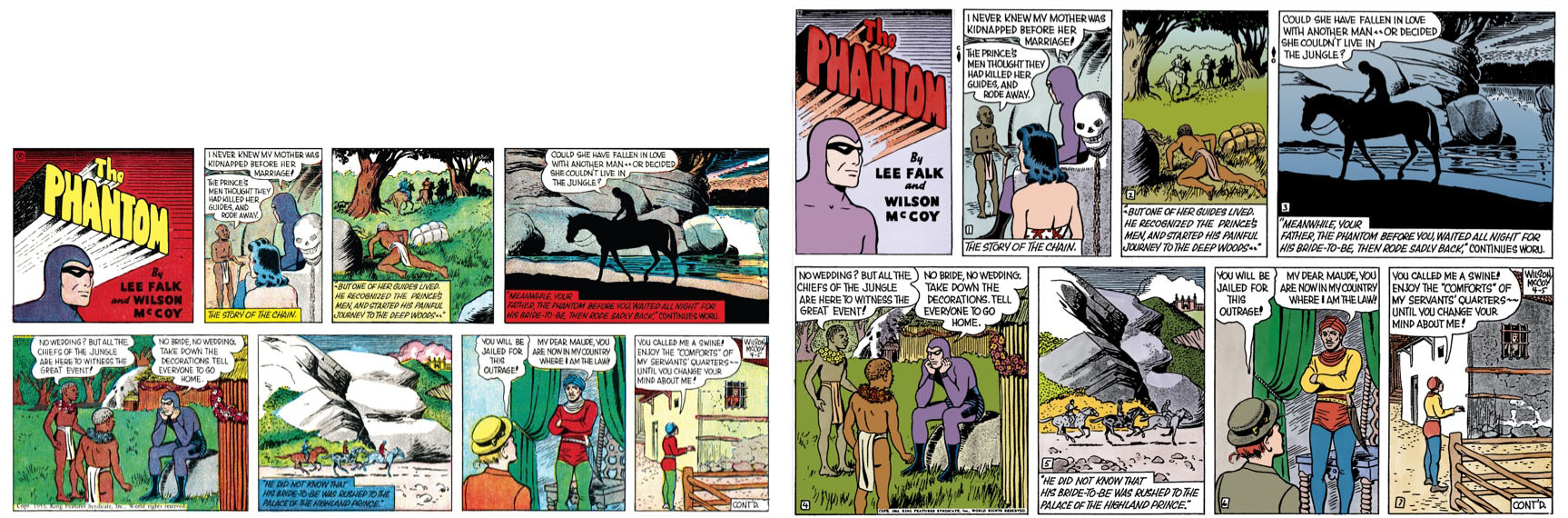
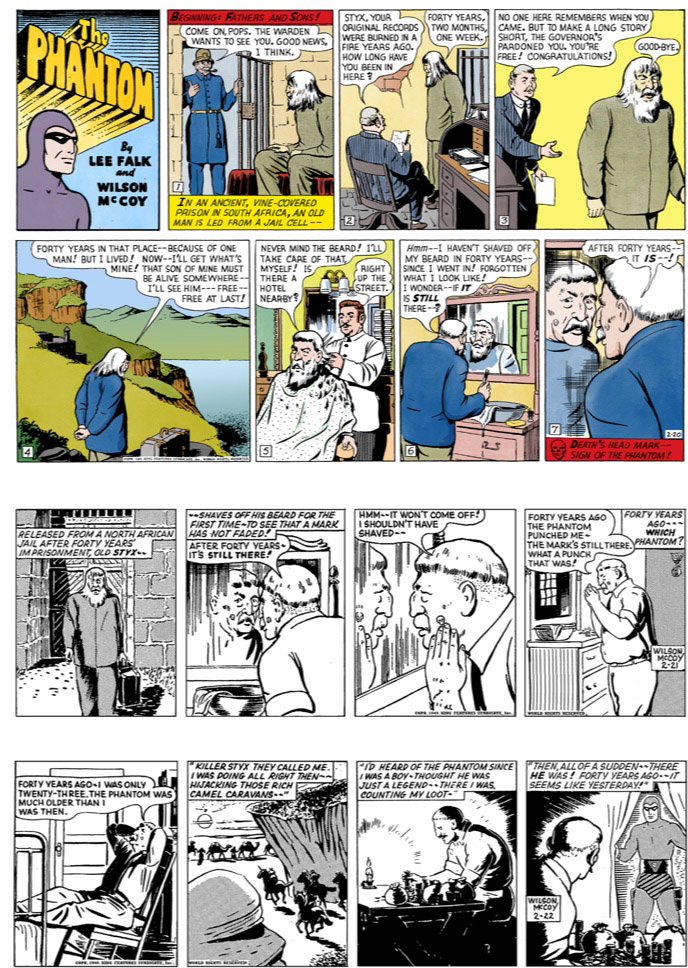
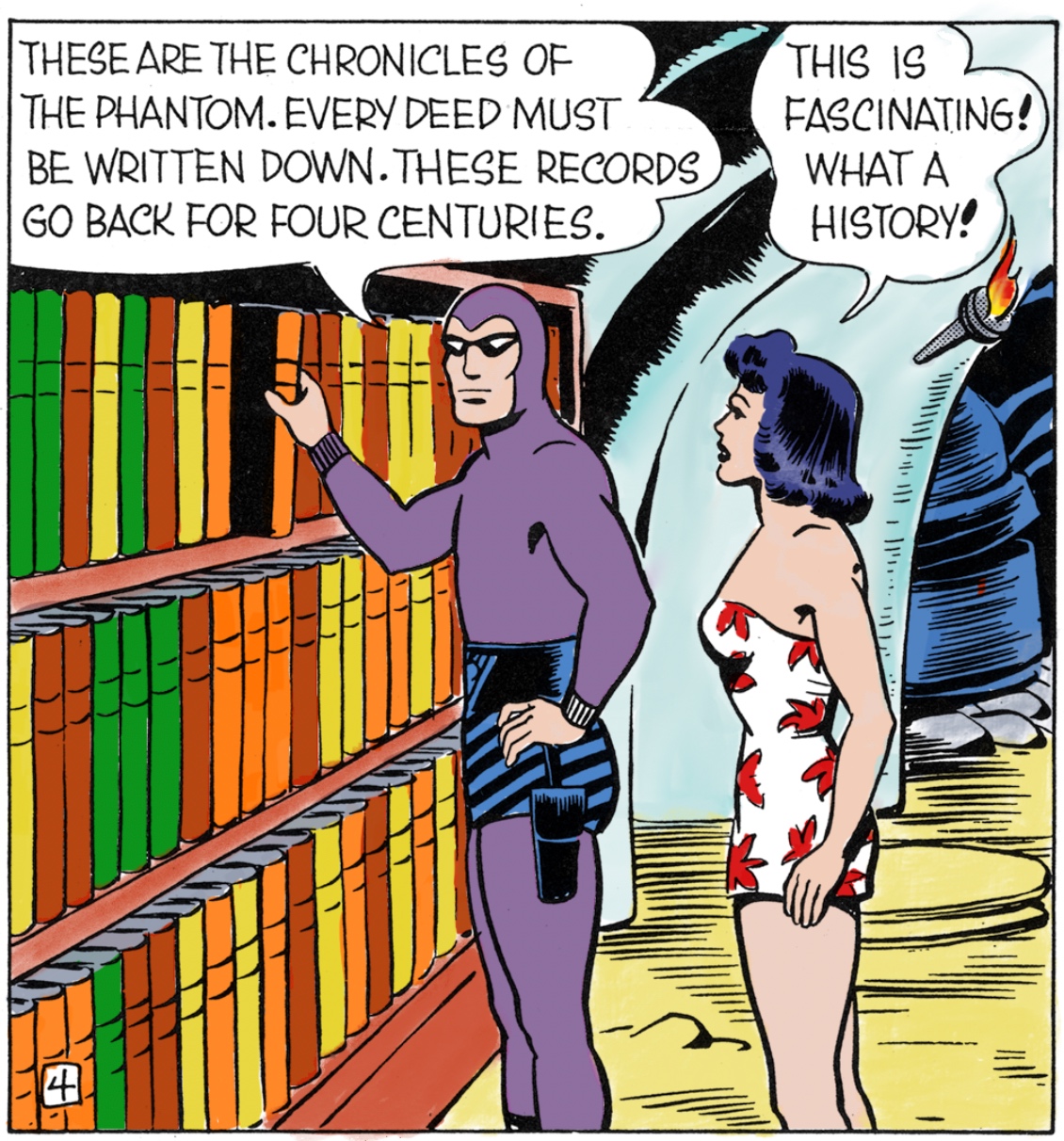
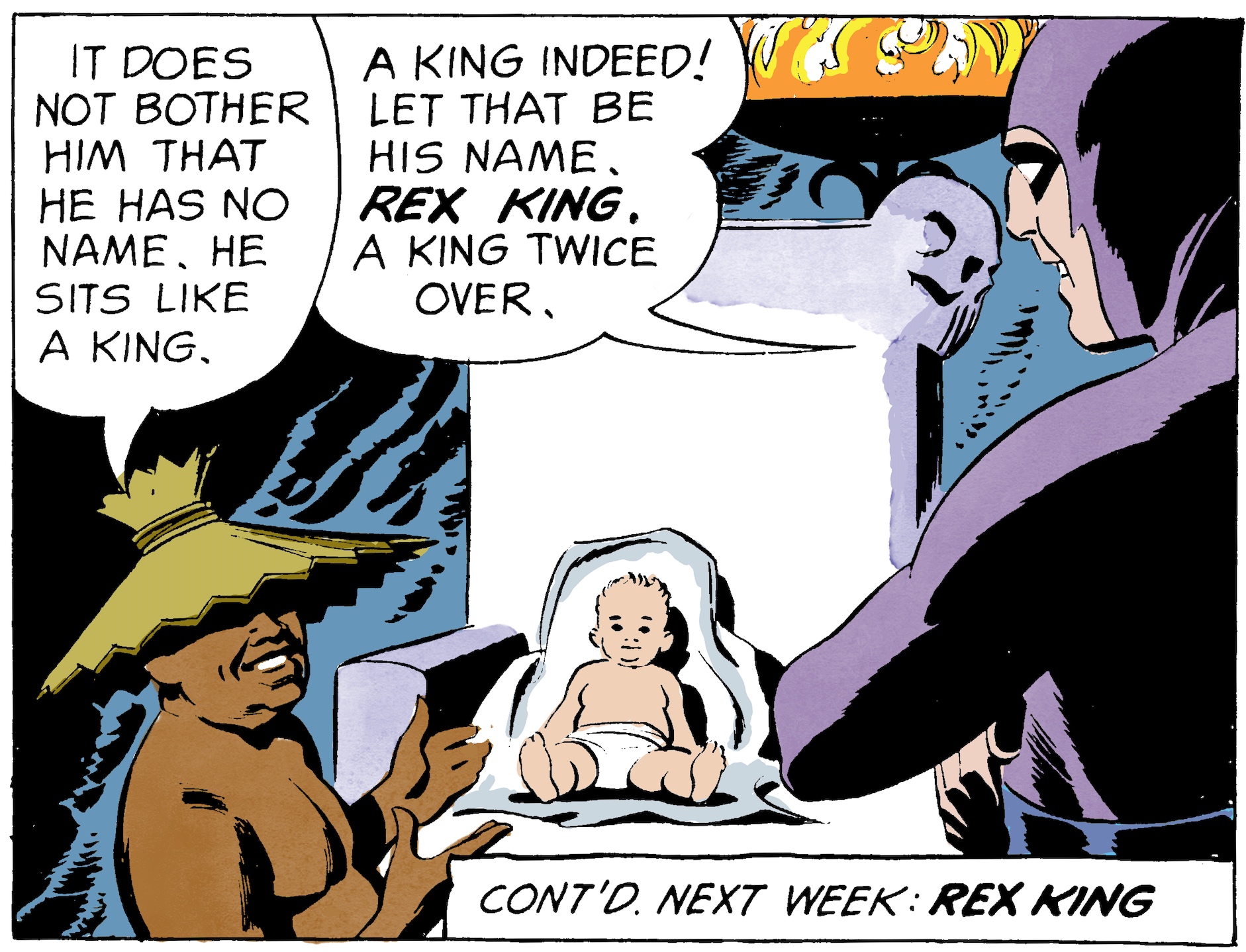
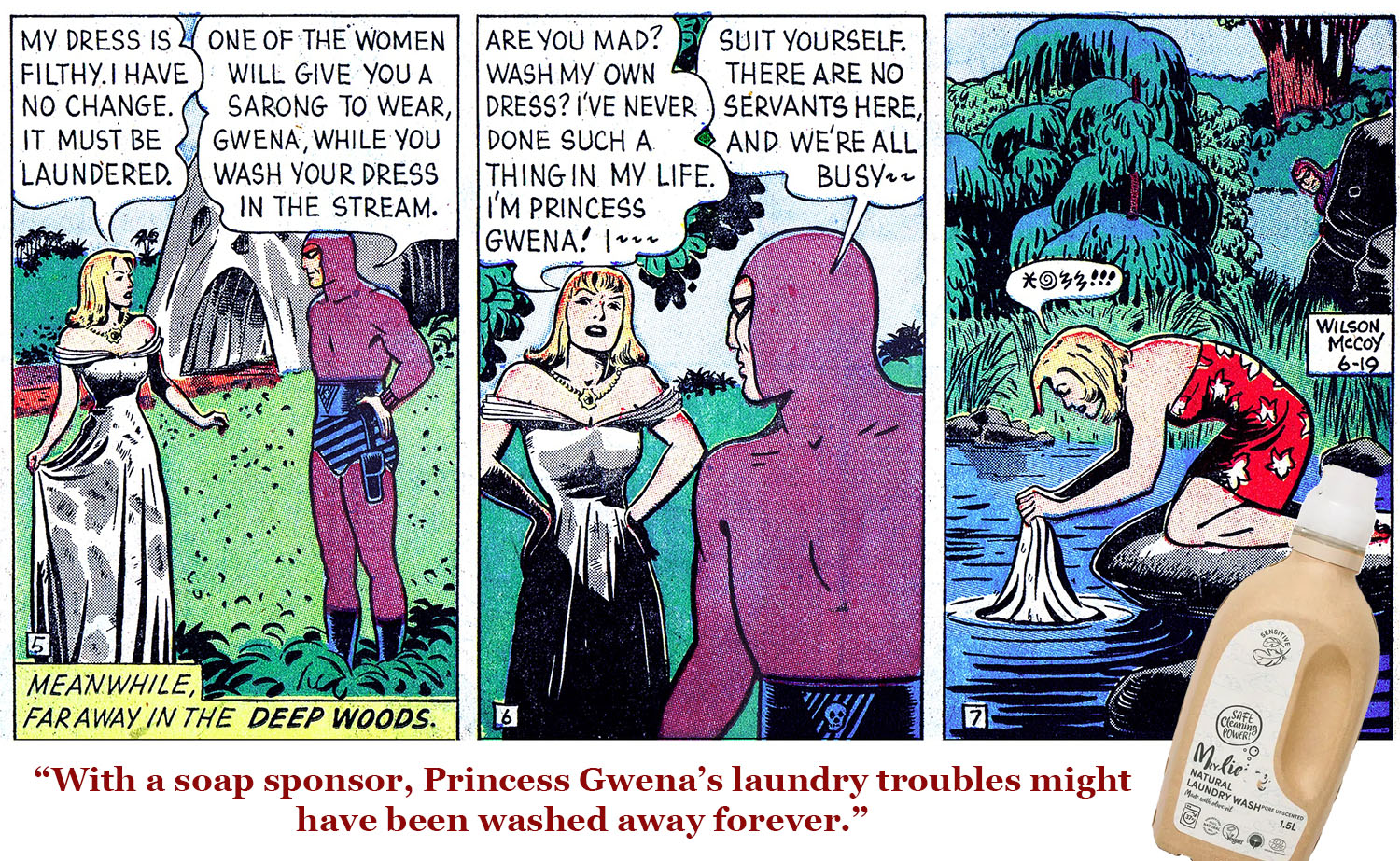
The Childhood of the Phantom appeared in two Sunday versions: in 1944–1945 and again in 1959–1960. Both are normally credited to Falk, with artwork by Wilson McCoy.
The later version was an altered retelling, with differences in the events leading to the young Phantom’s succession. Even the earlier use of “Kip”, rather than the familiar “Kit”, gives me pause. Why return to this particular story and change it?
One possible explanation is that Falk wanted to revise his own earlier account. Fifteen years had passed, new readers had arrived, and he may have preferred a different presentation of his hero’s childhood.
Another possibility is that someone else contributed to the first version, and that Falk later reshaped it more closely to his own conception of the character. Bester’s reported involvement makes that possibility worth considering. It does not establish that he wrote the 1944 story.
For me, the important point is that the two versions invite comparison. Their differences may reveal a change in Falk’s intentions, another writer’s involvement, or some combination of the two. The question remains open.
D016 — The Phantom Goes to War
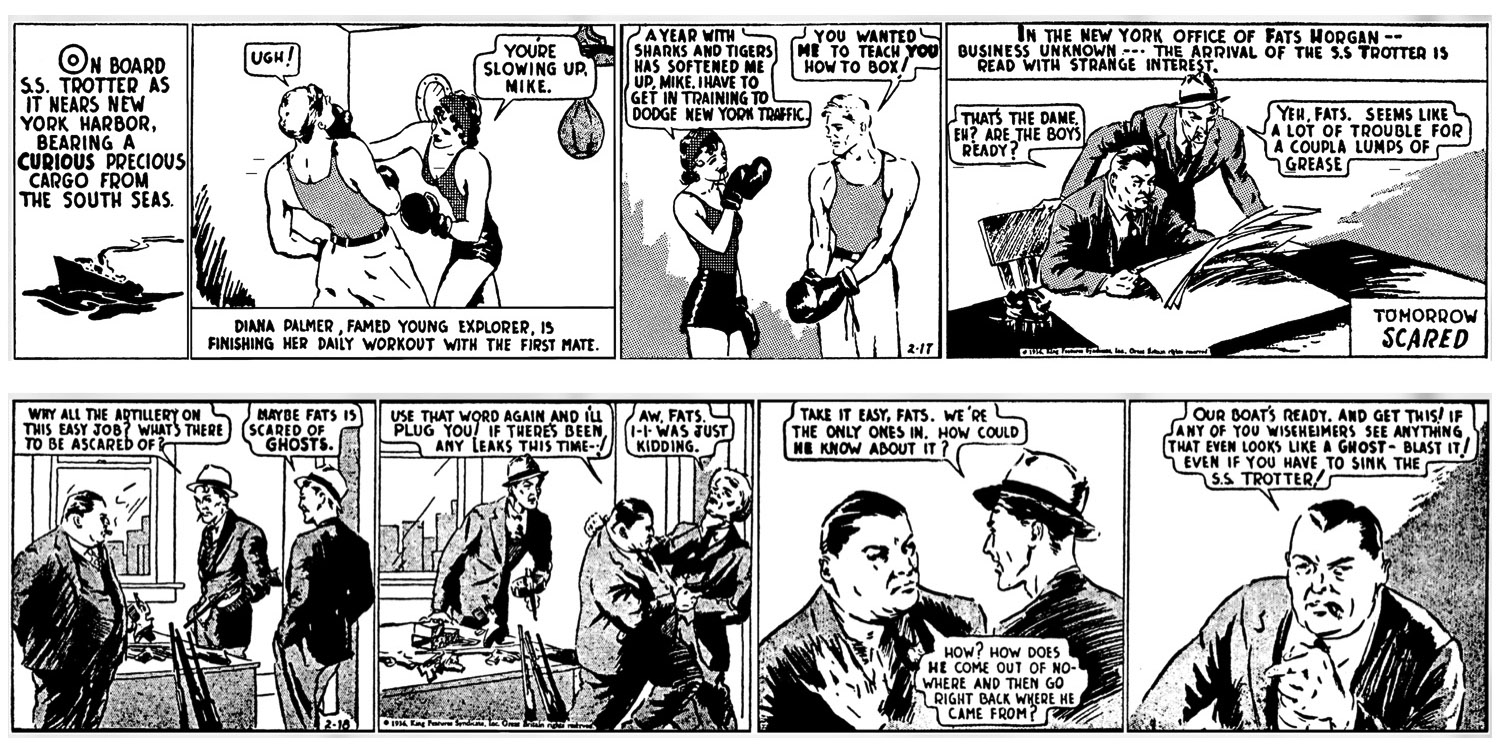
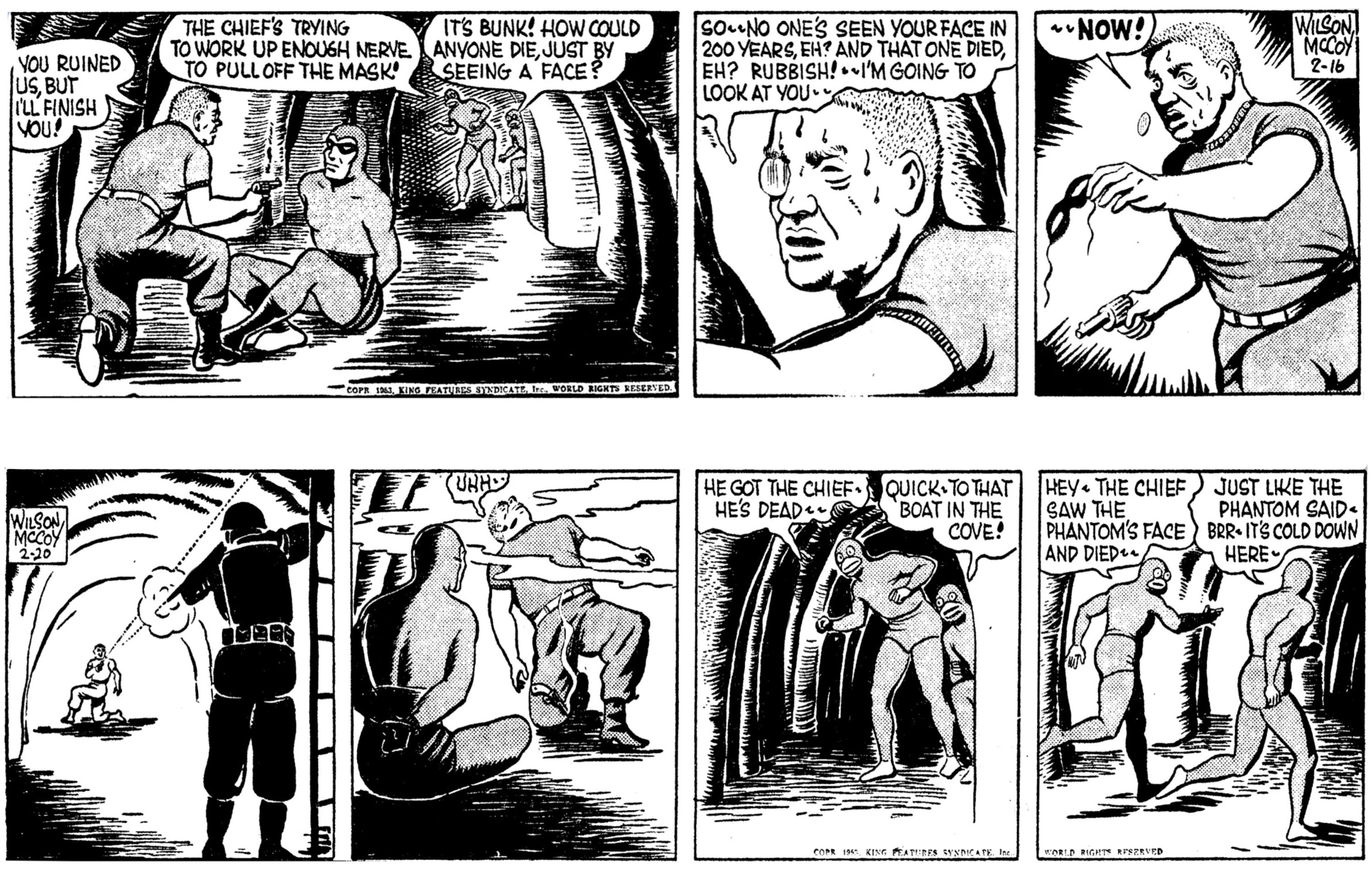
The Phantom Goes to War, also known as The Inexorables, ran from 2 February 1942 to 9 January 1943. It is one of the stories that strikes me as particularly untypical.
Here the Phantom and his jungle allies resist a Japanese invasion. The sustained warfare, the scale of the killing and the presentation of the enemy give the adventure a markedly different character. The story belongs unmistakably to the wartime atmosphere in which it appeared.
I regard it as wartime propaganda as well as an adventure. Its purpose, as I read it, includes encouraging resistance and presenting the enemy as a force to be defeated. That helps explain its unusually harsh tone.
Was it a commissioned story, perhaps encouraged by the syndicate or by some wartime initiative? Could another writer have helped with it? Those are reasonable questions, but I cannot claim either explanation as established.
Falk’s wartime work with the Office of War Information provides relevant background. It is not proof that this strip was an official commission. He could also have written it from his own convictions and in response to events.
The story shows why an unusual tone deserves examination, while also showing why tone alone cannot identify its author. The war itself may account for much of the difference.
Recognition without a complete roll call
We do not need to identify every contributor before acknowledging that The Phantom was sometimes a collaborative production. Where the contribution is known, the person deserves recognition. Where it remains uncertain, I would rather leave the question open than invent a definite credit.
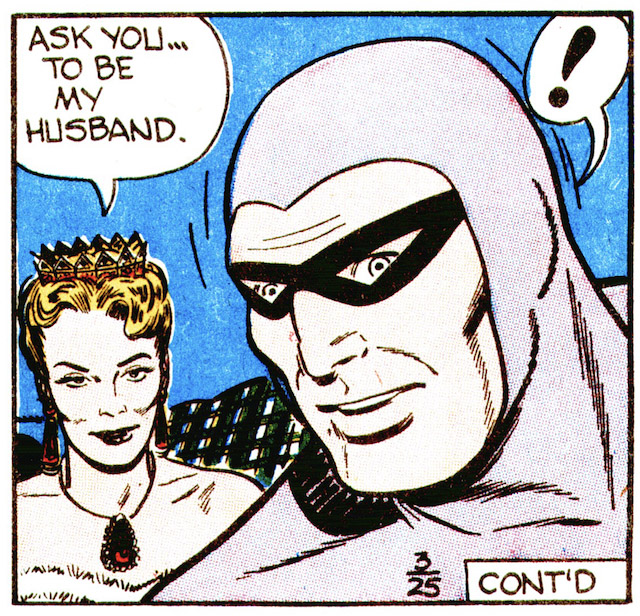
The strips themselves are a good place to begin. Changes in dialogue, humour, pacing, faces or composition can suggest where to look more closely. Repeated differences across a sequence are more persuasive than a single odd panel, especially when we compare the original newspaper material rather than altered reprints or translations.
Lee Falk’s central place in the strip’s history is secure. Recognising other hands, and asking honest questions about the uncertain cases, gives us a fuller picture of how his Phantom reached the printed page.