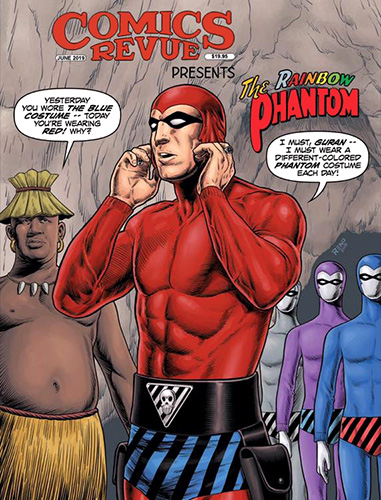
Bill Lignante and The Phantom: Clearing Up a Persistent Myth
The eyes behind the mask, an unsettled succession, and how Sy Barry came to draw both the daily and Sunday strips.
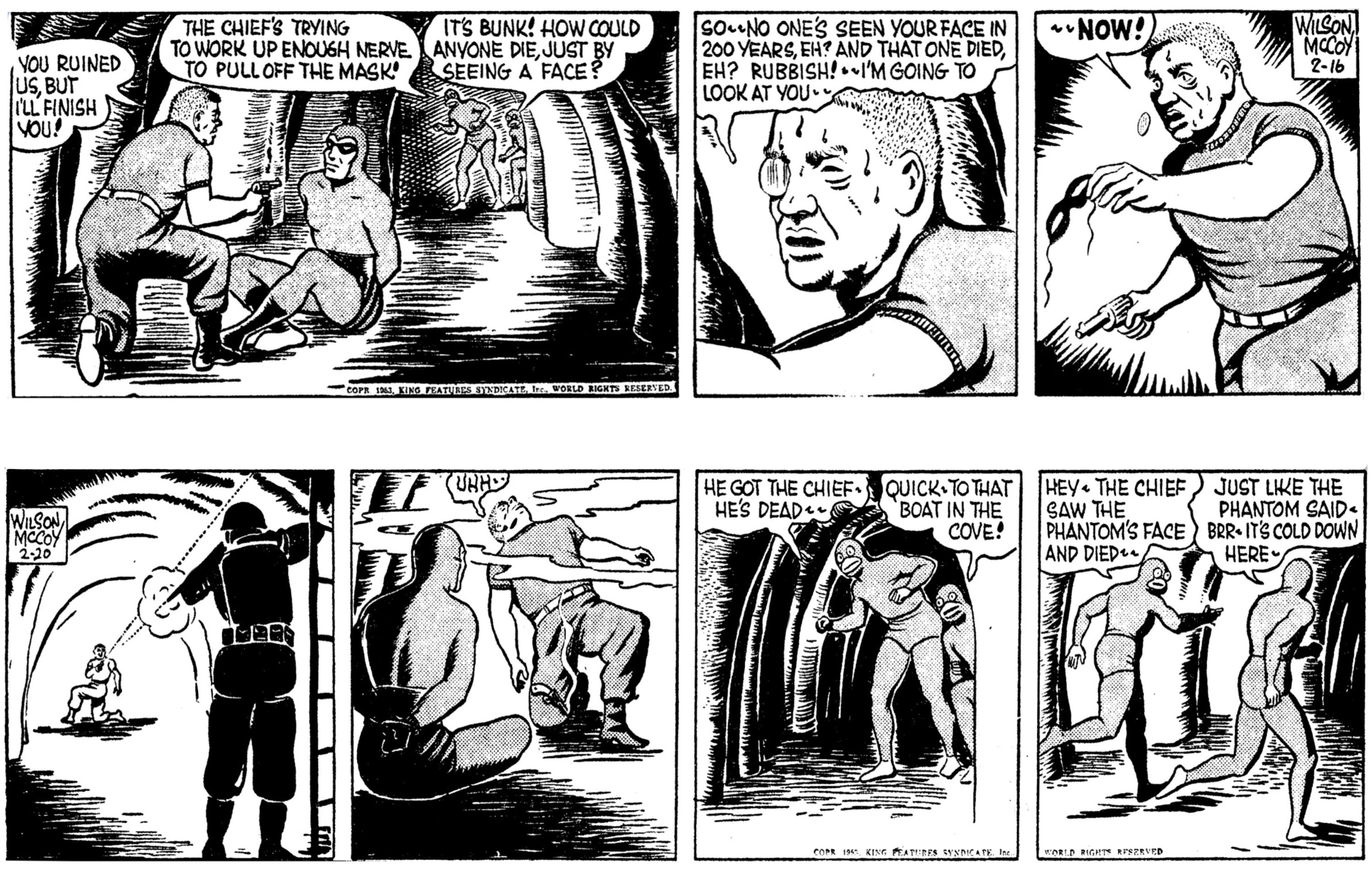
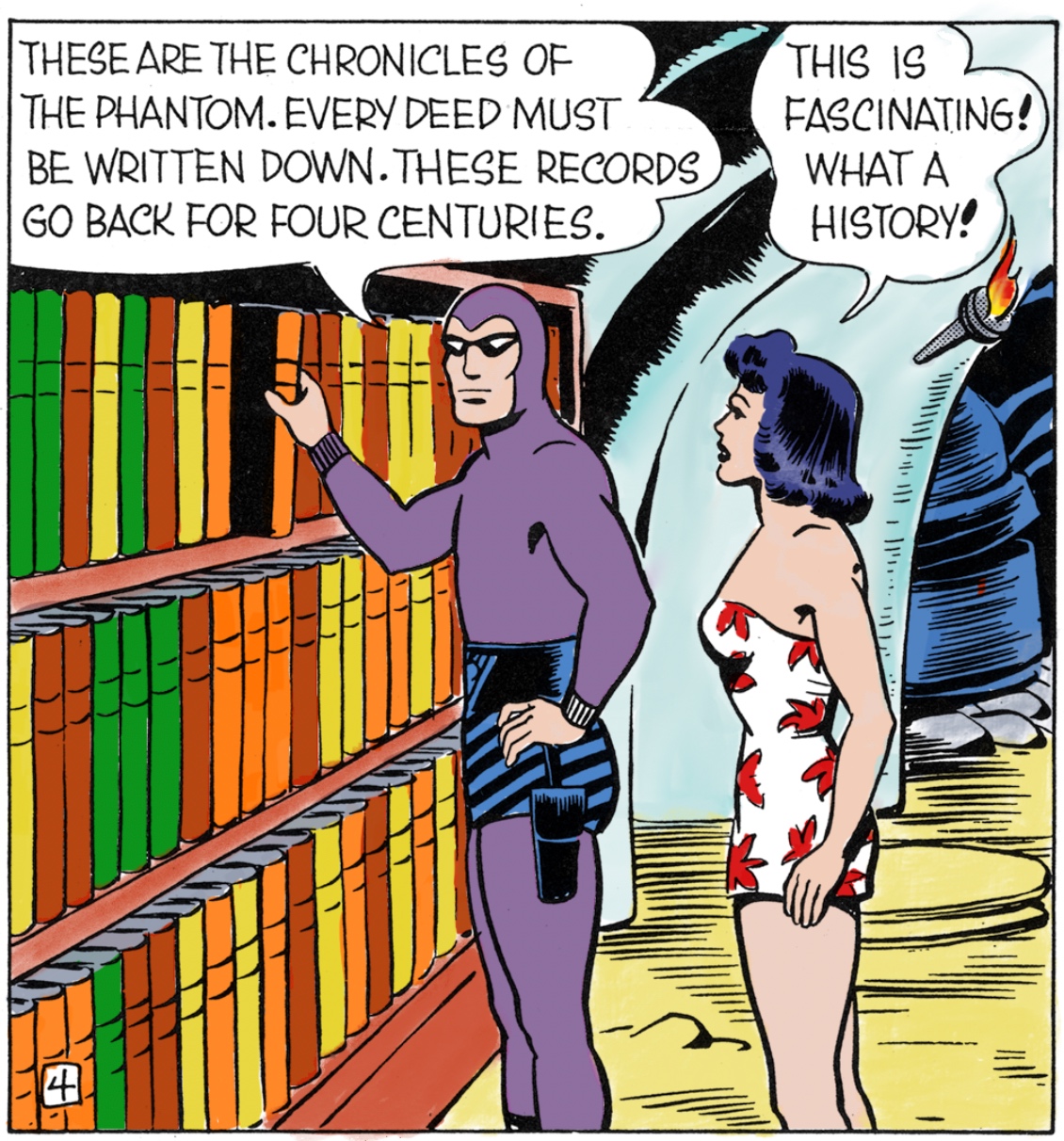
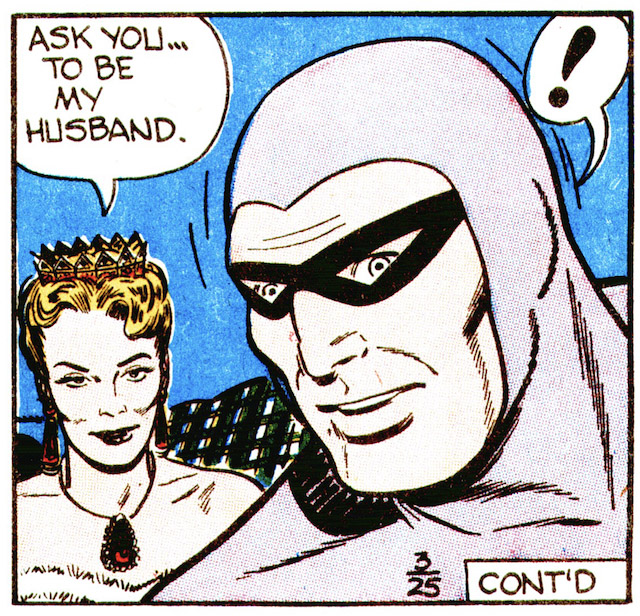
Bill Lignante’s brief time on The Phantom is often remembered for one unusual detail: he drew the Phantom with visible eyes behind the mask. From this grew a familiar story—that Lee Falk was so upset that he had Lignante dismissed. But the available accounts give us good reason to question that explanation.
There is another assumption worth examining: that Lignante was simply keeping the Sunday strip going until Sy Barry was ready to take over. This makes the eventual outcome sound like a plan already settled. I do not think the distinction is as trivial as it might seem.
The transition after McCoy
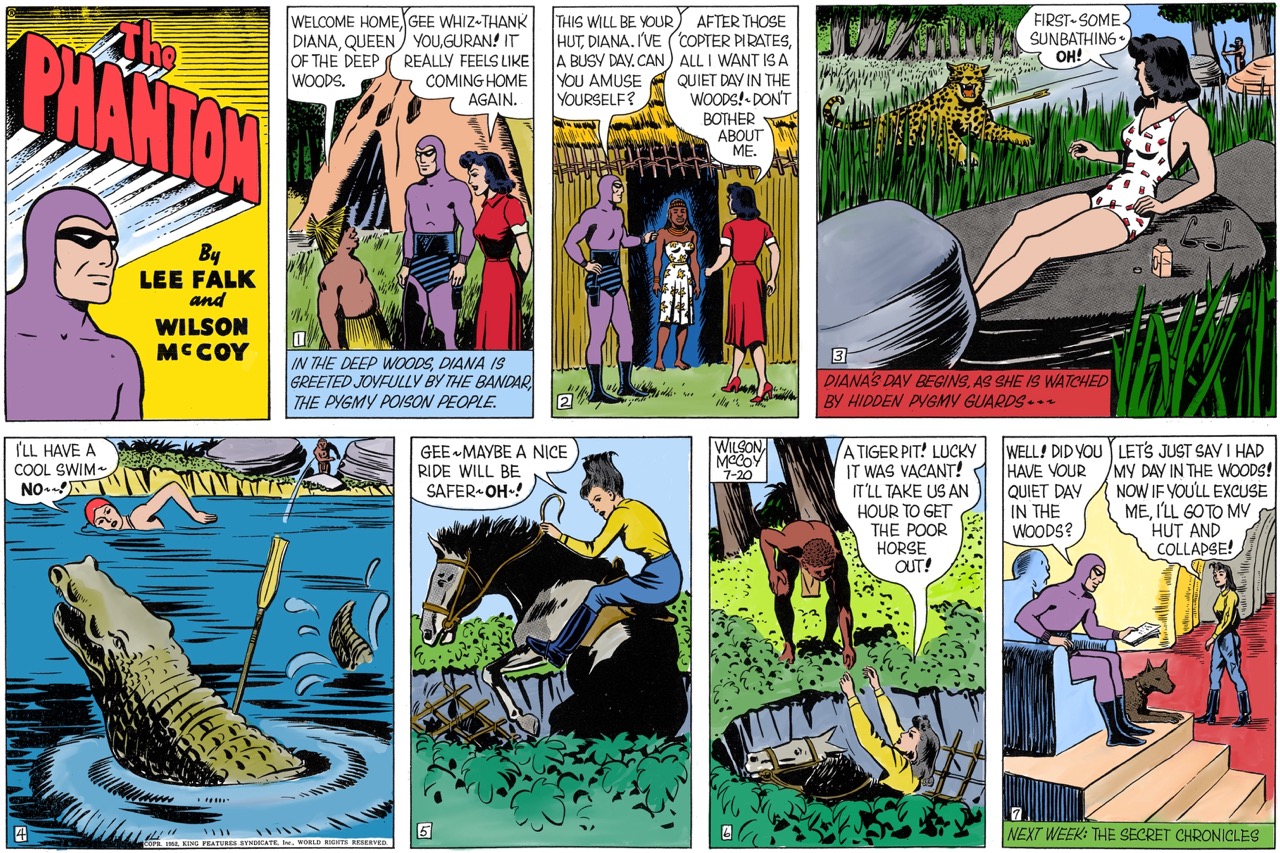
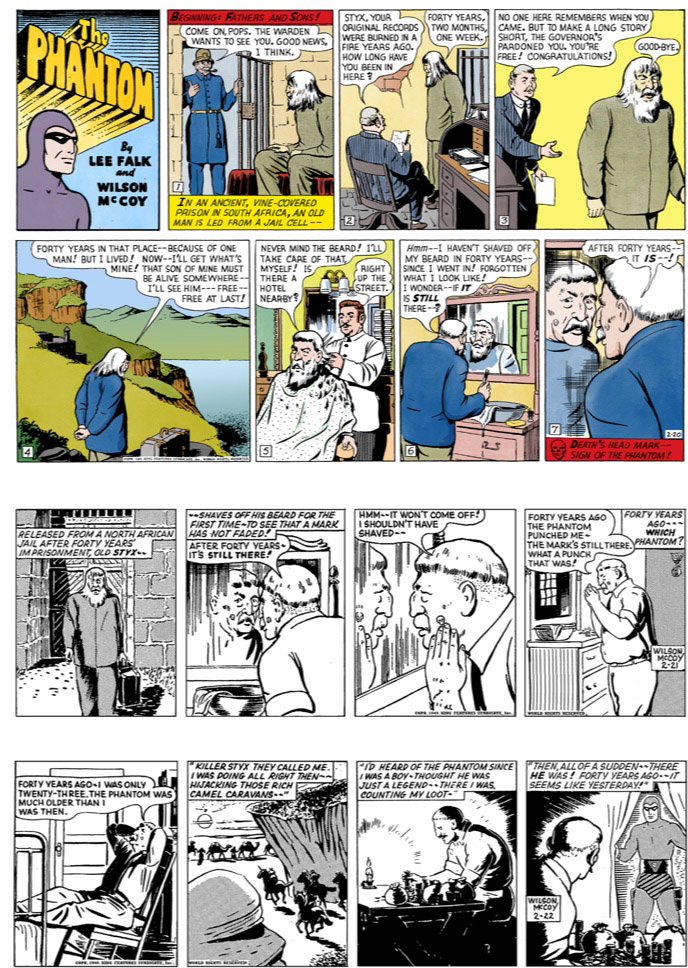
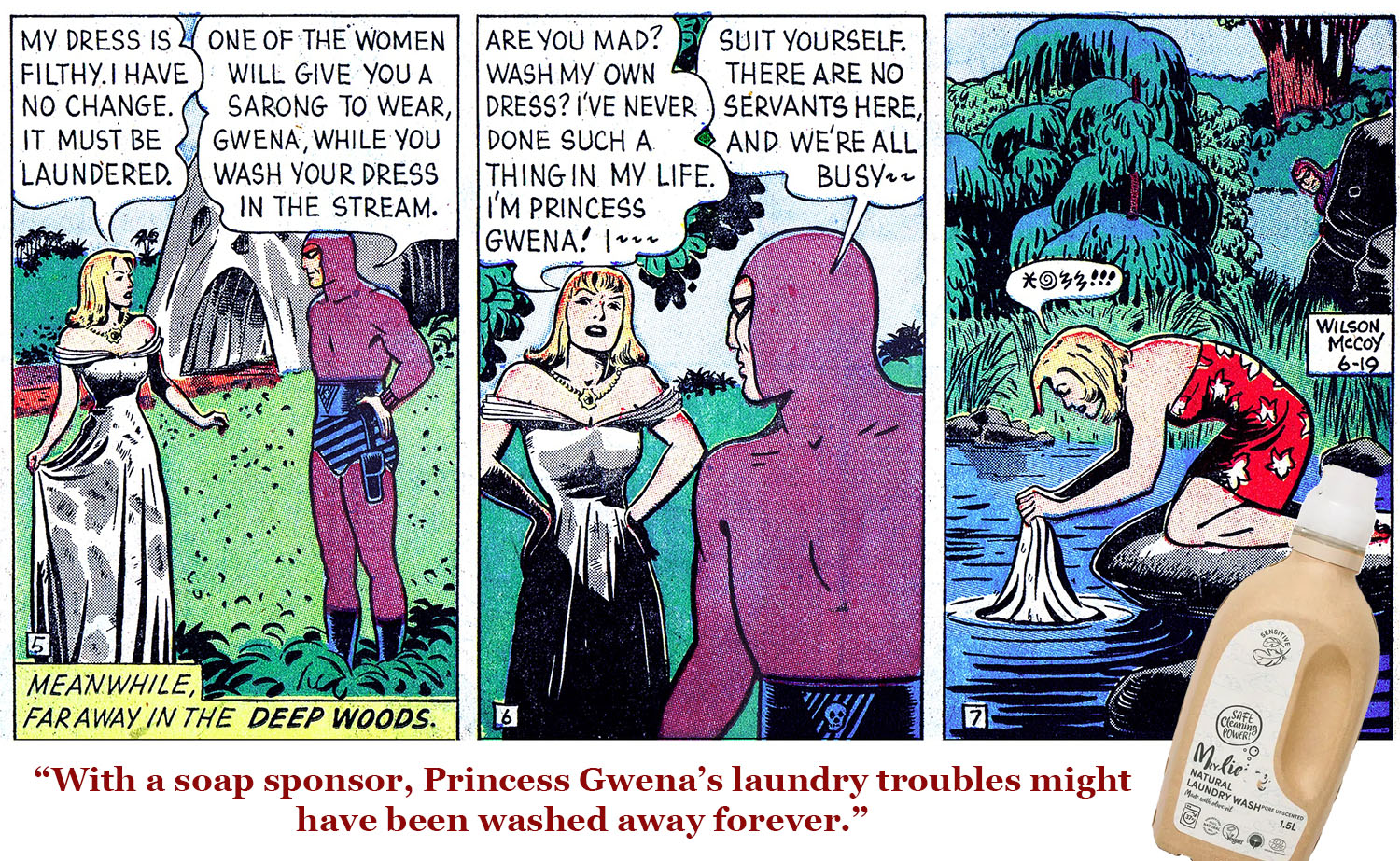
The transition following Wilson McCoy’s death in 1961 was more complicated than a simple handover from one artist to another. McCoy’s final daily appeared on 19 August, while his Sunday work continued to appear until 17 September. The Sunday adventure The Limper was still in progress: Carmine Infantino drew the page published on 24 September, and Lignante completed the story from 1 October through 29 October. These are publication dates, rather than the dates when the artwork was produced.
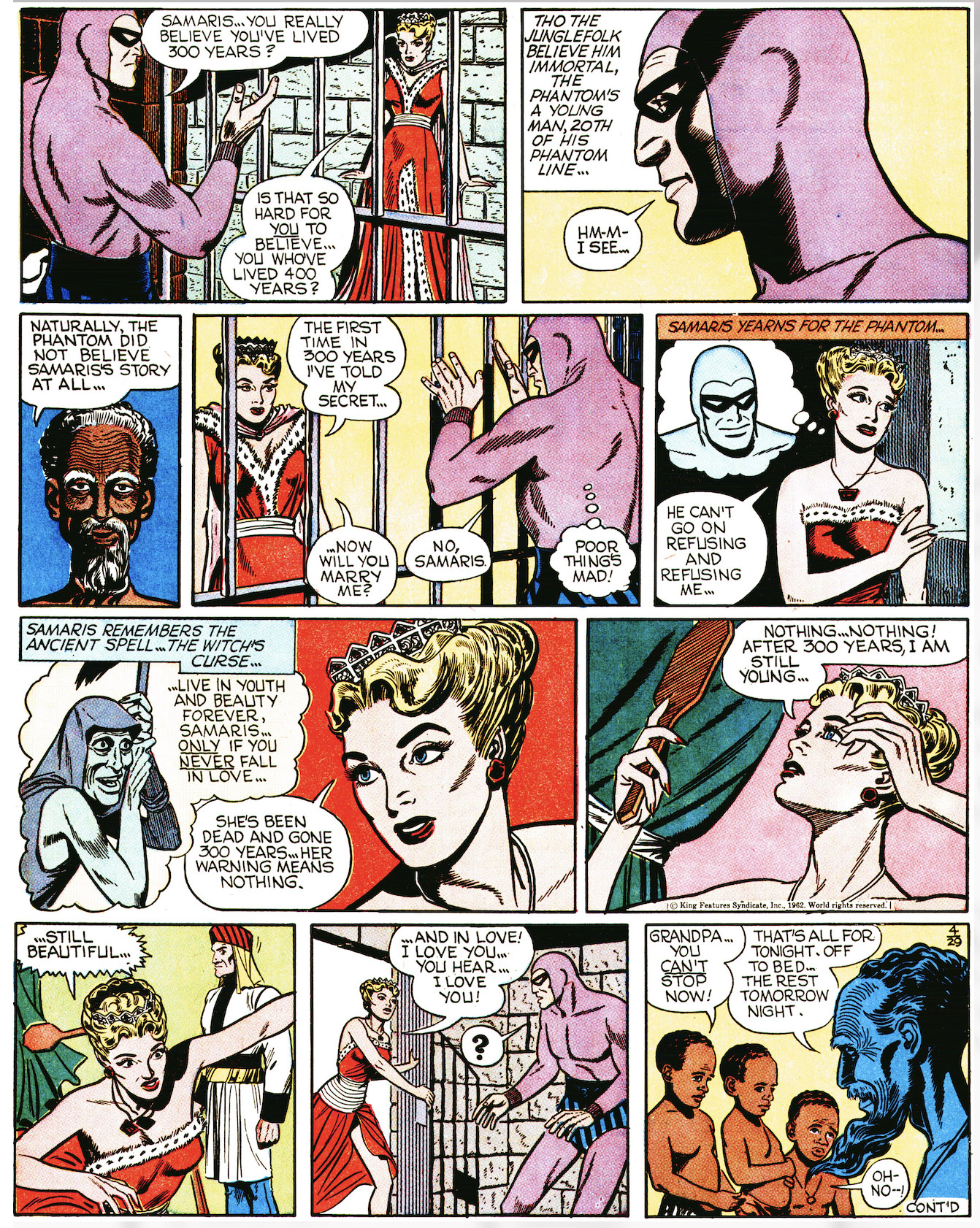
Lignante then illustrated one complete Sunday adventure, Queen Samaris XII, published from 5 November 1961 to 13 May 1962. His newspaper contribution therefore comprises the conclusion of one story and the whole of another.
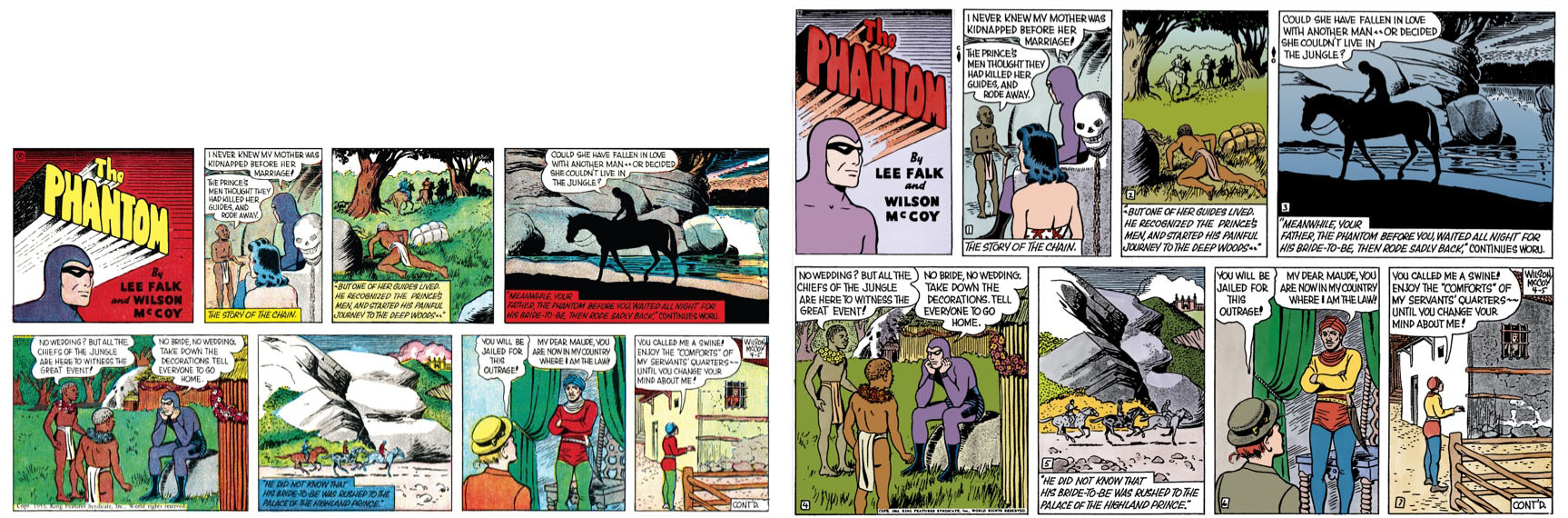
King Features already knew Lignante through his work on Ozark Ike. In a 1998 interview with Ed Rhoades, he recalled studying McCoy’s strips and handling the entire production himself, including lettering, pencils and inks. His distinctive drawing nevertheless emerged, with pronounced anatomy and extensive cross-hatching—features that also distinguish his later Phantom comic-book work.
The eyes behind the mask
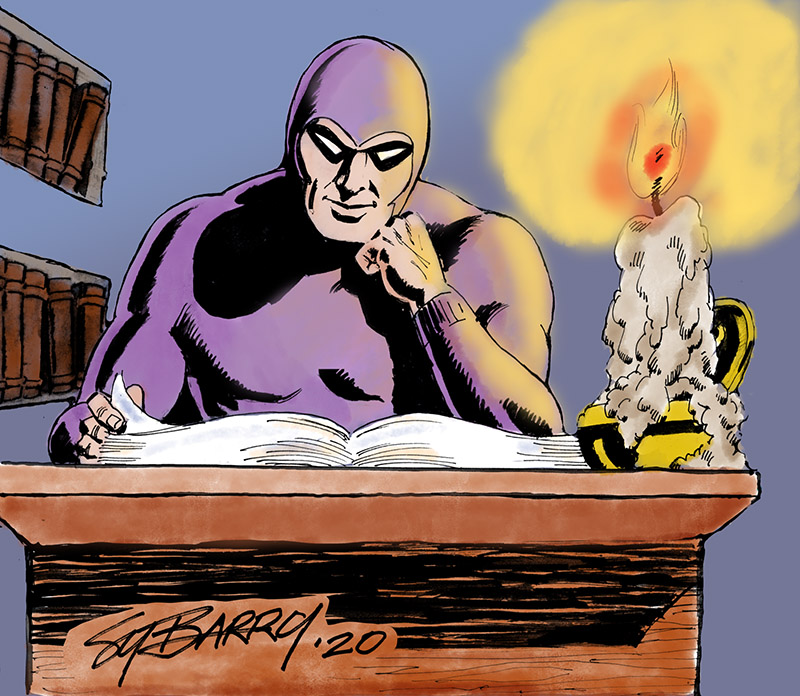
The eyes certainly attracted attention. Sy Barry later recalled a strongly negative reaction to them. But an objection to a drawing and a decision to dismiss an artist are two different things. Lignante pointed out that he supplied his Sunday artwork about ten weeks ahead of publication, leaving ample opportunity for King Features to request or make corrections.
Former Frew editor Jim Shepherd explicitly rejected the dismissal story in a 1993 account. His explanation, however, described Lignante as filling in while Barry prepared to take on both features. That is precisely the part of the familiar account that I believe deserves closer examination.
A job with the possibility of continuing
It is worth questioning the description of Lignante as merely keeping the Sunday strip going until Sy Barry was ready to take over. That wording makes Barry’s eventual appointment sound like a decision already made. Barry’s own recollections suggest that the Sunday assignment was still being considered, and that being offered it came as a surprise.
My understanding is that Lignante was given the Sunday strip with the possibility of continuing—a trial period, in practical terms, during which both artist and syndicate could assess the arrangement. I would therefore regard him as a potential continuing artist, rather than simply a substitute awaiting an already chosen successor. King Features eventually selected Barry for both features, but that outcome should not be confused with the original intention.
This is my reading of the circumstances, rather than a claim that a formal probationary agreement has been documented. A temporary or unsettled appointment does not, by itself, mean that someone else has already been promised the job.
Nor does the available evidence support replacing the dismissal story with an equally definite claim that Lignante voluntarily left for personal reasons. Looking back in 1998, he described not obtaining the permanent assignment as “my biggest break.” He felt that a long commitment to the strip would have prevented him from pursuing the varied career that followed. That is a retrospective appreciation of the outcome, rather than an account of choosing to resign.
How Sy Barry got the daily strip
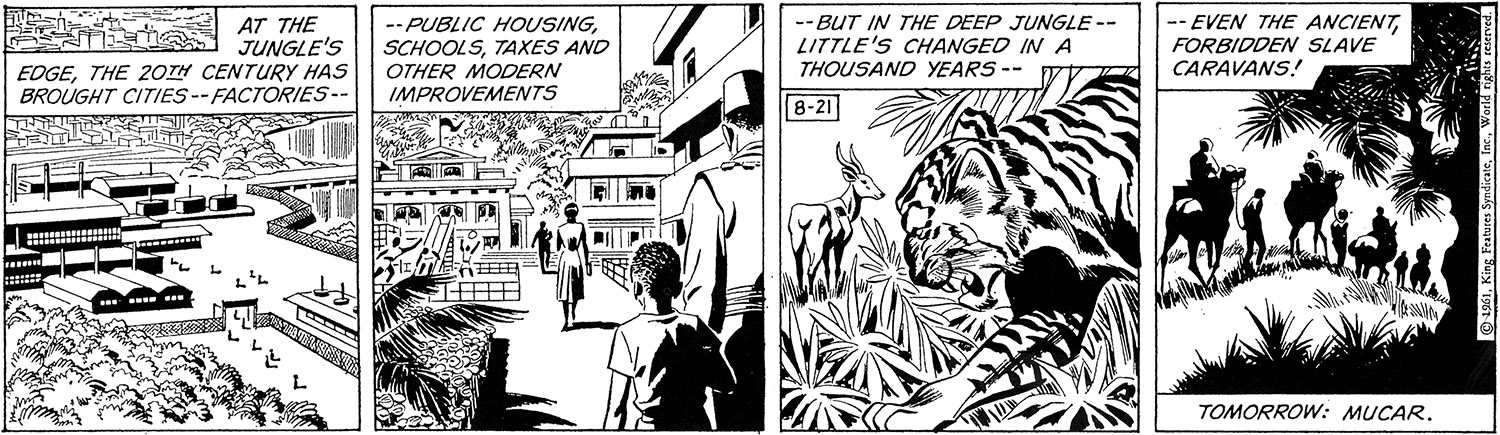
Barry’s involvement began while McCoy was still alive but in hospital. Barry and Frank Giacoia had recently submitted a proposed newspaper strip to King Features, and the syndicate also knew Barry through his work assisting his brother Dan on Flash Gordon. With McCoy unable to work, King Features approached him to draw the Phantom dailies temporarily.
According to Barry, his first submitted week looked too much like Flash Gordon for the syndicate’s comfort. King Features wanted a gradual transition, fearing that an abrupt visual change might unsettle newspaper editors. He therefore redrew the material closer to McCoy’s approach before progressively introducing his own style. His first published daily appeared on 21 August 1961, opening The Slave Market of Mucar.
And then the Sundays
The Sunday appointment came separately. Barry recalled being asked to bring his lawyer to a meeting, expecting that he might be offered the permanent daily assignment. At the meeting, King Features told him that they intended to give him the Sundays as well. He was surprised: other artists had been under consideration, and Lignante was already handling the Sunday feature.
Barry’s first Sunday appeared on 20 May 1962, beginning Treasure of the Skull Cave, immediately after Lignante’s Queen Samaris XII. The two newspaper features were now in the hands of the artist who would shape their appearance for the next three decades.
The important distinction is between what happened and what had been intended from the beginning. Barry ultimately received both assignments. His own account does not describe the Sunday job as something he had already been guaranteed when Lignante began working on it.
More than a story about the eyes
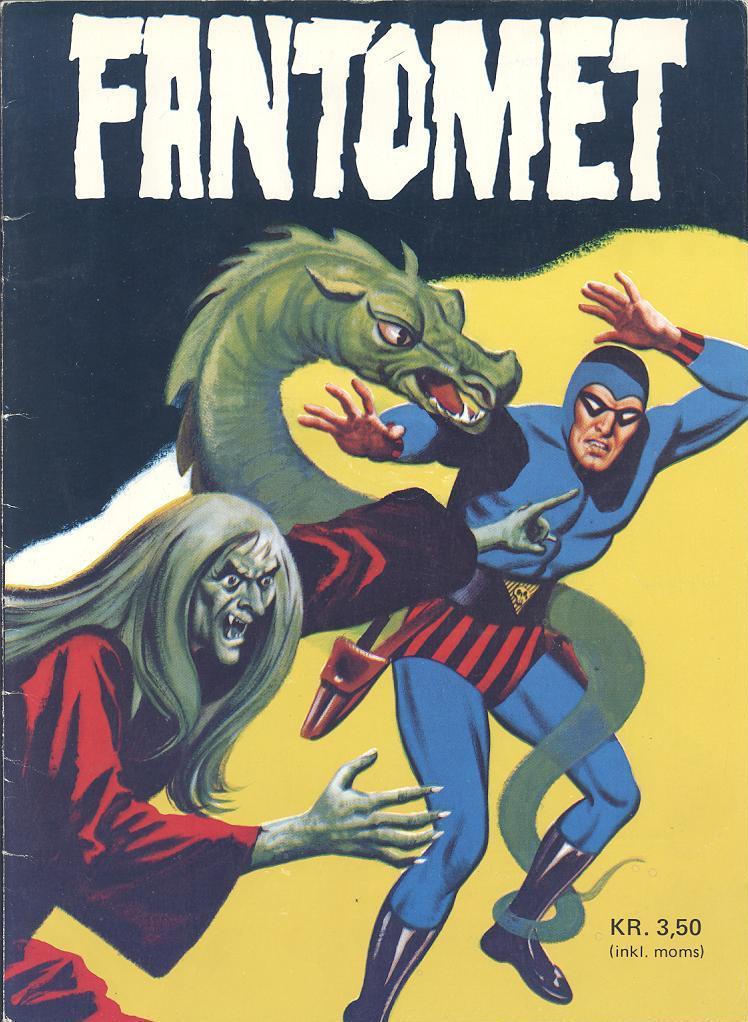
Lignante’s association with the Phantom continued through comic books for Gold Key and King Comics. His wider career included animation work for Hanna-Barbera and many years as a courtroom artist for ABC News.
His newspaper tenure was short, but it deserves to be remembered for the work itself. For me, reducing that contribution to a story about two eyes behind a mask does the artist an injustice.
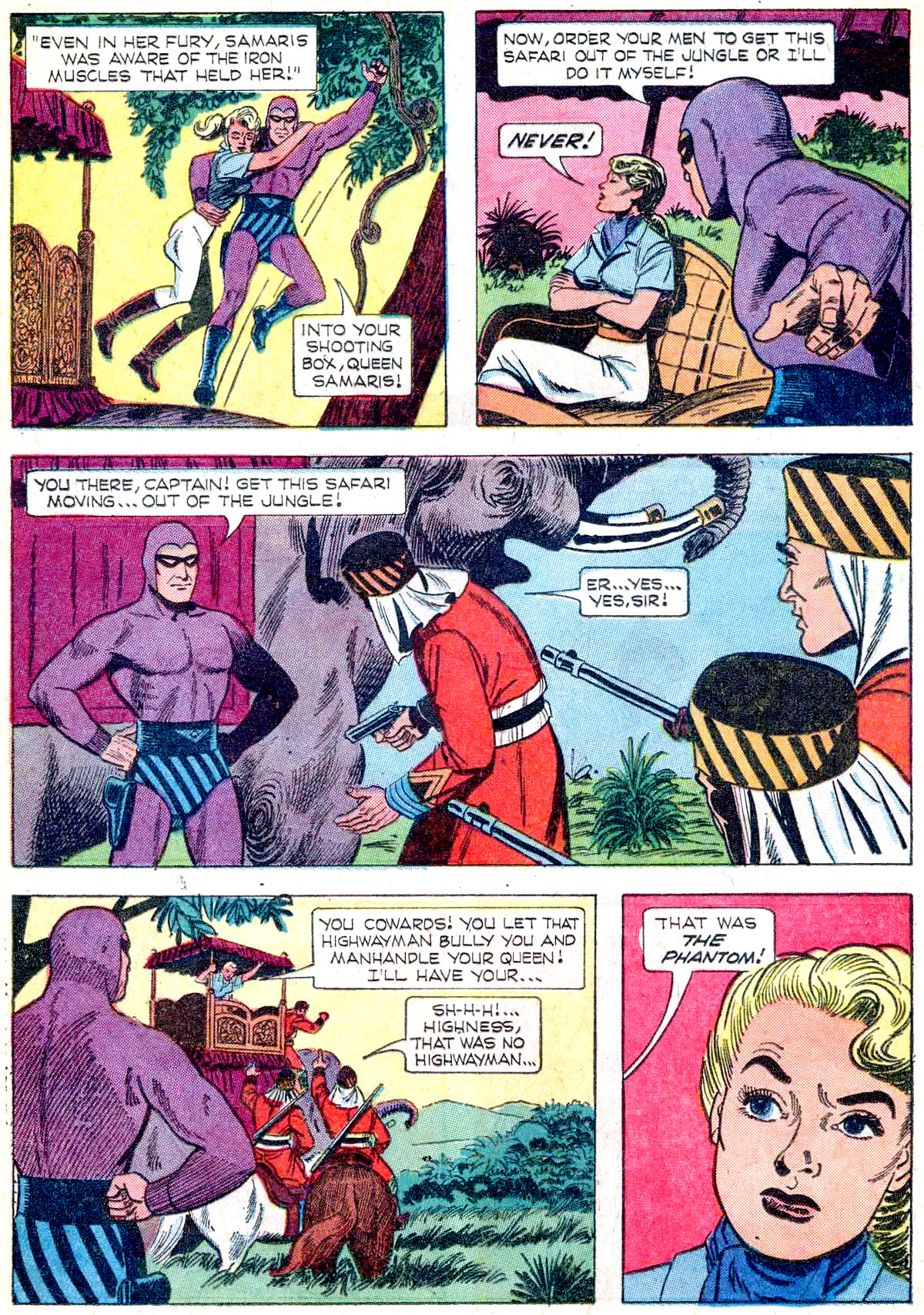
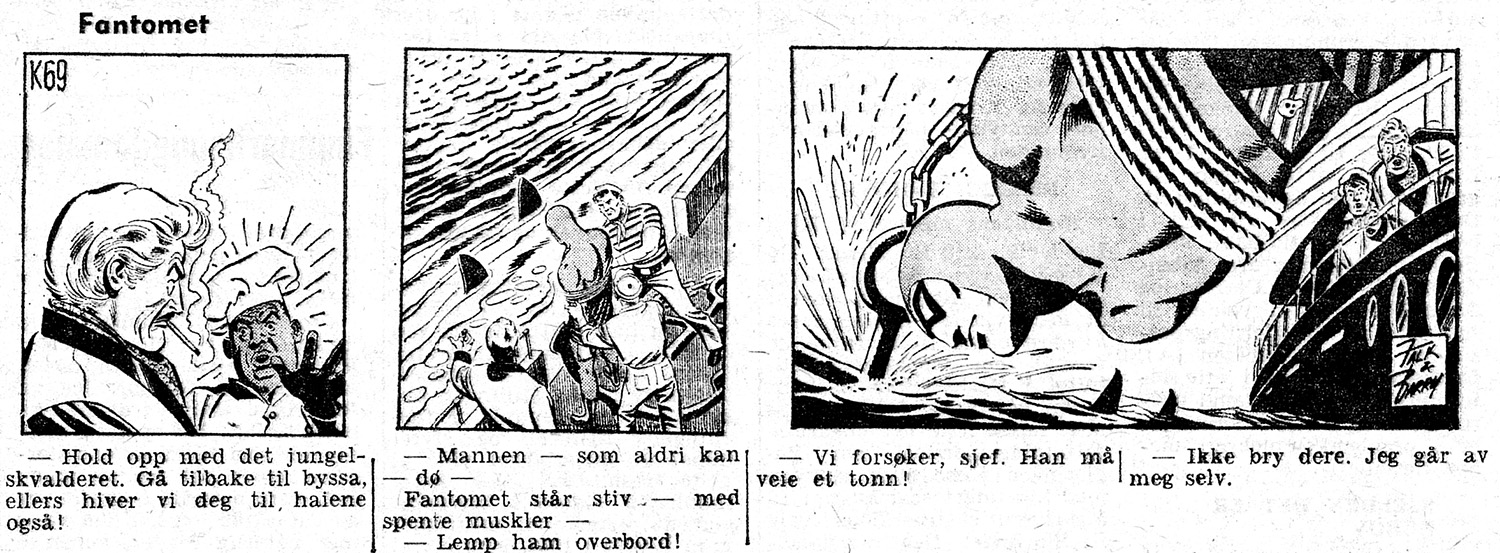
Right is a page from a later comic book where Bill did new art to the same story.